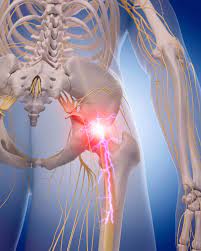
Sciatica or Other Types of Back Pain
Understanding the source of your pain is the first step, but lasting relief comes from a precise diagnosis and a treatment plan tailored specifically to you. At VIP Health, our patient-centred care model ensures we listen to your needs and create a plan that delivers real value and performance.
Struggling to understand the difference between sciatica and other types of back pain?
Firstly, let's talk about Sciatica- It's that persistent pain in your lower back and leg a simple muscle strain, or could it be the distinct nerve pain of sciatica? Understanding the source of your discomfort is the first crucial step toward finding effective, lasting relief.
At VIP Health, we know that while many conditions cause similar symptoms, pain that originates from a nerve requires a specialised approach. This guide will clarify the distinctions between general pain and sciatica, helping you understand your symptoms and the powerful, patient-centred treatments available right here at our Parnell, Auckland clinic.
What is Sciatica?
Definition and Causes: Sciatica is not a diagnosis but a symptom of an underlying condition that is compressing or irritating the sciatic nerve. This is the longest nerve in your body, running from your lower back down each leg. When a structure like a spinal disc or tight muscle puts pressure on this nerve, it triggers the radiating pain known as sciatica.
Common Causes Include:
Herniated or Slipped Disc: The most frequent cause, where a spinal disc bulges and presses on the nerve root.
Spinal Stenosis: A narrowing of the spinal canal that constricts the space around the nerves.
Piriformis Syndrome: Spasms in the piriformis muscle (in the buttock) can directly compress the sciatic nerve.
Spondylolisthesis: A spinal condition where one vertebra travels forward over another.

Differentiating your pain
Sciatica or Nerve Pain
Sciatica has a specific set of symptoms that clearly point to nerve involvement. You may be experiencing sciatica if you have:
A shooting, sharp pain that starts in the lower back or buttock and travels down the back of one leg.
Numbness, tingling, or a "pins-and-needles" sensation along the nerve path.
Weakness in the affected leg or foot.
Pain that gets worse when you sit, cough, or sneeze
General Leg Pain
Leg pain can stem from issues within the leg itself, like a muscle tear or joint inflammation. The discomfort originates in the leg's structures. In contrast, sciatica-related leg pain is a referred pain—the problem is in your spine, but the symptom is felt in your leg.
General Back Pain
Most often muscular or related to joint stiffness, general back pain feels like a dull ache or sharp, localised pain. It's typically caused by poor posture or muscle strain and is confined to the back area, without travelling down the leg.
Mechanical Back Pain
The most common type of back pain and comes from the spine’s joints, discs, muscles, ligaments, or movement patterns rather than an infection or serious disease. It often flares with certain activities—like bending, lifting, prolonged sitting, or awkward posture—and tends to ease with rest or changing position. Usually resolves over time.
Herniated Disc
A herniated disc happens when the soft inner portion of a spinal disc pushes through a weakened outer layer, which can irritate nearby nerves. This may cause back or neck pain, stiffness, and symptoms that travel into the arm or leg—such as tingling, numbness, or weakness—often worsened by bending, coughing, sneezing, or prolonged sitting. Many disc herniations improve with conservative care over time, focusing on reducing nerve irritation, restoring movement, and progressively rebuilding strength and stability.
Your non-surgical path to recovery at VIP Health
Understanding the source of your pain is the first step, but lasting relief comes from a precise diagnosis and a treatment plan tailored specifically to you. At VIP Health, our patient-centred care model ensures we listen to your needs and create a plan that delivers real value and performance.
Don't let sciatica control your life. Take the first step towards a pain-free future by entrusting your care to the dedicated team at VIP Health.
At our Parnell clinic,our core philosophy is built onValue, Integrity, and Performance. We believe in providing effective, non-invasive treatments that address the root mechanical cause of your back issues. Our goal is to help you avoid surgery and regain your quality of life through a holistic and conservative care plan.
As part of your comprehensive treatment plan, our practitioners will guide you through targeted exercises and stretches. These movements are designed to strengthen your core and back muscles, improve flexibility in tight areas like the piriformis, and provide better support for your spine, reducing the chance of future flare-ups.
Foundation
Chiropractic care is the foundation of lasting health—restoring spinal alignment and nervous system function so your body can heal, move, and perform at its best, naturally.
Core
Core strengthening accelerates recovery and long-term wellness by stabilising the spine, improving posture and movement control, and helping your chiropractic results hold between visits.
Rehab
We combine evidence-informed chiropractic care with cutting-edge rehab technology and targeted exercise protocols to fast-track healing, restore function, and prevent re-injury.
Recovery
Recovery is a step-by-step process of identifying the root cause, reducing pain and inflammation, restoring mobility and strength, and building resilient habits so results last.

Contact
Contact us today to find out how we can help you with your Sciatica or other low back issues.
VIP Health Chiropractic Rehab + Recovery Lab
79H St Georges Bay Road, Parnell, Auckland
Phone: 0800 847 069
Email: [email protected]
Office Hours: Weekdays 7am - 7pm
Our convenient Parnell Location:
5 minutes from Auckland CBD
easy access from Newmarket, Grafton, Remuera
secure parking for your convenience
Frequently asked questions
How do I know if my leg pain is sciatica or just a muscle strain?
Sciatica has a distinct signature: a shooting or sharp pain that starts in your lower back or buttock and travels down the back of one leg, often with numbness, tingling, or "pins and needles," and sometimes weakness in the leg or foot. A muscle strain, by contrast, stays put — the pain originates in the leg itself and doesn't radiate from your spine. A useful clue is that sciatica often gets worse when you sit, cough, or sneeze. If your pain is travelling down one leg rather than staying local, it points toward nerve involvement.
Is sciatica a diagnosis or a symptom?
Sciatica is a symptom, not a diagnosis. It's the radiating pain that happens when something compresses or irritates the sciatic nerve — the longest nerve in your body, running from your lower back down each leg. The actual cause could be a herniated disc, spinal stenosis, piriformis syndrome, or spondylolisthesis. This is why proper treatment depends on identifying the underlying cause rather than just chasing the pain.
What are the most common causes of sciatica?
The most frequent cause is a herniated or slipped disc, where a spinal disc bulges and presses on the nerve root. Other common causes include spinal stenosis (a narrowing of the spinal canal), piriformis syndrome (spasms in a buttock muscle that compress the nerve), and spondylolisthesis (one vertebra slipping forward over another). Because these causes are different, an accurate diagnosis is essential to effective treatment.
Can sciatica be treated without surgery?
Yes — most sciatica and disc-related pain improves with conservative, non-surgical care. At VIP Health, our approach addresses the root mechanical cause through chiropractic adjustments to restore spinal alignment, core strengthening to stabilise the spine, and targeted rehab and mobility work to reduce nerve irritation and rebuild strength. The goal is to help you avoid surgery and prevent future flare-ups.
Why does my back pain travel down my leg but my friend's doesn't?
The difference usually comes down to whether a nerve is involved. General back pain is typically muscular or related to joint stiffness — it feels like a dull ache or localised pain and stays confined to the back. When pain travels down the leg, it's often "referred" pain: the problem is in your spine, but the symptom is felt further down the nerve's path. Pain that radiates below the knee is a common sign that the sciatic nerve is being irritated rather than just a muscle.

